How to Choose the Right Youth Soccer League in Orange County 2026 Parent Guide

Choosing the right youth soccer league in Orange County comes down to fit. The best program for your child should match their age, skill level, personality, schedule, and comfort level while giving them a safe place to learn, play, and make friends.
For most families, the right choice is not simply the most competitive league or the closest field. It is the soccer league that offers clear communication, age-appropriate coaching, reasonable expectations, and a positive community environment.
If you are comparing youth soccer, kids soccer programs, or soccer registration options in Santa Ana and across Orange County, this guide will help you know what to look for before signing up for the 2026 season.

Why choosing the right soccer league matters
A youth soccer league does more than organize games. It shapes how children experience teamwork, competition, physical activity, and community sports.
A good league helps kids feel welcome while teaching the basics of the game. It gives newer players room to learn and gives returning players opportunities to keep improving. It also supports families with clear schedules, safe practices, and realistic expectations.
For parents, the right league can make the season feel enjoyable instead of stressful. Practices, game days, uniforms, coaching style, and communication all affect the experience.
For children, the league can influence whether they:
Stay active and build confidence
Make new friends outside school
Learn how to win and lose with respect
Build coordination and soccer skills
Look forward to practices and games
Develop a healthy relationship with youth sports
In Orange County, families have many soccer programs to choose from. Some are highly competitive. Some are recreational. Some focus on early skill development. Others are built around community, local play, and family activities. The key is to choose the setting that matches your child right now, not where you think they should be years from now.
7 factors parents should consider before registering
Before completing soccer registration, take time to compare the details that matter most. These seven factors can help you choose a Youth Soccer League Orange County families can feel confident about.
1. Your child’s age and stage of development
A 4-year-old beginner and a 12-year-old returning player need very different soccer experiences.
Younger children usually need:
Shorter practices
Simple instructions
More touches on the ball
Less focus on scorekeeping
Coaches who make learning fun
Older children may be ready for:
More structured drills
Position-specific coaching
Friendly competition
Team strategy
Longer practice sessions
The right league should group children in a way that supports safe, age-appropriate play. Age divisions should be easy to understand, and parents should know what to expect before the season starts.
2. Recreational or competitive focus
Not every child wants the same soccer experience.
A recreational soccer league is often a strong fit for players who are new to the sport, returning after time away, or looking for a fun activity with friends. These leagues usually focus on participation, skill-building, sportsmanship, and enjoyment.
A more competitive program may be better for players who already have strong fundamentals, enjoy higher intensity play, and are ready for a bigger time commitment.
Ask yourself:
Is my child new to soccer?
Do they enjoy competition, or do they feel pressure from it?
Are we looking for skill development, social connection, or both?
How much time can our family realistically commit each week?
For many Orange County families, a community-based soccer league for kids offers the right balance. Children can learn the game without feeling overwhelmed.
3. Coaching approach and communication
Coaches play a major role in the youth soccer experience. A great coach does not need to be a professional athlete. They need patience, organization, clear communication, and a positive approach to working with children.
Look for coaches who:
Explain drills in simple language
Encourage effort and improvement
Treat players respectfully
Teach sportsmanship
Keep practices organized
Communicate with parents when needed
Parent communication matters too. Before registering, check how the league shares schedules, updates, weather notices, and team information. Families should not have to guess when or where their child is playing.
A trustworthy league makes details clear before the season begins.
4. Location and schedule
In Orange County, traffic and family schedules can make location a major deciding factor. A great soccer program may not work well if practices are too far from home, school, or work.
Families in Santa Ana and nearby communities should consider:
Practice field location
Game day location
Start times
Weeknight and weekend commitments
Parking and arrival time
Sibling schedules
Other family activities in Orange County
A convenient soccer league helps families stay consistent. If practices are manageable, children are more likely to attend regularly and feel connected to the team.

5. Safety policies and player well-being
Safety should be one of the first things parents review.
Youth soccer always includes running, contact, and changing direction, so no program can remove every risk. A strong league can reduce risk by using age-appropriate rules, organized practices, and attentive adult supervision.
Before registering, ask about:
Coach screening or training
Emergency procedures
First aid readiness
Hydration breaks
Heat awareness
Field conditions
Shin guard requirements
Concussion awareness
Weather policies
In Southern California, heat can be a real concern during parts of the year. Players should have access to water breaks, and coaches should watch for signs that children need rest.
A good youth sports organization takes safety seriously without making the game feel intimidating.
6. Cost and what is included
Soccer registration fees can vary by program. Before signing up, review what the fee includes and what families may need to purchase separately.
Common items may include:
League registration
Uniform or team shirt
Referee fees
Field use
Practice equipment
End-of-season activities
Families may also need:
Soccer cleats
Shin guards
Soccer socks
Water bottle
Size-appropriate soccer ball
Optional goalkeeper gloves
The lowest price is not always the best value, and the highest price does not always mean the best experience. Look for a league that explains costs clearly and offers an experience that fits your child’s needs.
7. Community fit and family experience
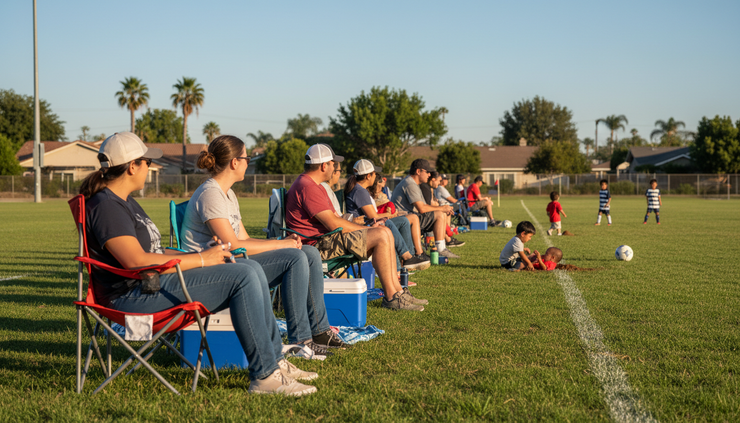
Youth soccer is also a family activity. Parents spend time on the sidelines, siblings often come along, and children build friendships through the season.
A good community sports environment feels welcoming. Families should feel comfortable asking questions, attending games, and supporting players in a positive way.
Look for signs of a healthy league culture:
Respectful sideline behavior
Coaches who encourage all players
Clear expectations for families
Organized game days
A focus on learning, effort, and teamwork
A welcoming atmosphere for new players
JAM Sports League serves Orange County families with a community-centered approach to youth sports. For families looking for Youth Soccer Santa Ana, Kids Soccer Orange County, Youth Soccer Registration, a Soccer League for Kids, Youth Sports Orange County, Family Activities Orange County, and Soccer Programs Orange County, the goal should be a program that feels organized, safe, friendly, and appropriate for your child’s stage of development.
Benefits of youth soccer
Youth soccer offers more than exercise. It gives children a structured way to move, think, cooperate, and grow.
Physical benefits
Soccer helps children build basic athletic skills that carry into many other sports and activities.
Players practice:
Running
Balance
Coordination
Agility
Footwork
Endurance
Body awareness
Because soccer involves constant movement, kids stay active while focusing on the game rather than on exercise itself.
Social and emotional benefits
Team sports help children learn how to be part of a group. They practice listening, taking turns, handling mistakes, and encouraging teammates.
Youth soccer can support:
Confidence
Patience
Communication
Resilience
Friendship
Respect for rules
Healthy competition
For many children, the best part of the season is not the final score. It is wearing the team shirt, seeing familiar faces each week, and feeling like they belong.
Learning benefits
Soccer teaches decision-making in real time. Players learn when to pass, when to dribble, where to move, and how to respond when the ball changes direction.
These small decisions help children practice focus and problem-solving. Even at young ages, players learn to read the field and work with others.

Age divisions explained
Age divisions help keep games fair, safe, and developmentally appropriate. Exact divisions vary by league, so families should always check the current registration details before signing up.
Most youth soccer programs group children by birth year, grade, or age range. The goal is to place players with others who are close in size, maturity, and skill development.
Age range | Common focus | What parents can expect |
Ages 3 to 5 | Introduction to movement and the ball | Short activities, simple games, lots of encouragement |
Ages 6 to 7 | Basic skills and teamwork | Dribbling, passing, listening, and learning field boundaries |
Ages 8 to 10 | Skill building and game understanding | More structured practices, positions, and team play |
Ages 11 to 13 | Strategy and stronger fundamentals | Passing patterns, spacing, conditioning, and sportsmanship |
Ages 14 and up | Continued development and competition | More advanced play, leadership, and game awareness |
Younger players need simple and fun instruction
For younger children, the main goal is comfort. They need to learn how to move with the ball, follow basic directions, and enjoy being part of a team.
At this stage, parents should not worry too much about advanced tactics. A child who smiles, participates, and wants to come back is having a successful season.
Older players need challenge and structure
Older players often benefit from more detailed coaching. They may be ready to understand positions, spacing, passing choices, and defensive responsibility.
Still, the environment should remain positive. Players develop best when they can make mistakes, receive helpful feedback, and keep trying.
Safety and coaching
Safety and coaching go together. A well-run practice is usually safer because children know what to do, where to stand, and how to participate.
What safe coaching looks like
Safe coaching in a youth soccer setting includes:
Clear instructions before each drill
Enough space between activities
Proper warmups
Water breaks
Rules for contact and tackling
Attention to weather and field conditions
Encouragement of fair play
Coaches should also adjust activities for age and ability. A drill that works for older players may not be right for younger children.
What parents can do to support safety
Parents also play an important role. Before the season begins, make sure your child has the right gear and understands basic expectations.
Key items include:
Properly fitted shin guards
Cleats designed for soccer fields
Comfortable athletic clothing
A labeled water bottle
Sunscreen for daytime activities
Any needed personal medical items
Parents can also help by arriving on time, encouraging positive sideline behavior, and letting coaches coach during games.
Questions to ask before signing up
Before completing soccer registration, consider asking:
What age group should my child join?
Are beginners welcome?
Where are practices and games held?
How are teams formed?
What equipment does my child need?
How are coaches selected or prepared?
What safety steps are in place?
How does the league communicate schedule changes?
What happens if weather affects a game?
Clear answers can help you feel more comfortable before the season starts.
Frequently Asked Questions
What is the best age to start youth soccer?
Many children start youth soccer between ages 3 and 6, but there is no single perfect age. The best time to start is when your child is ready to follow simple instructions, participate with a group, and enjoy active play.
Does my child need soccer experience before joining?
In many recreational programs, no experience is needed. Kids soccer leagues often welcome beginners and teach basic skills during practices. If your child is new, look for a league that clearly supports first-time players.
What equipment does my child need for soccer?
Most children need shin guards, soccer cleats, a water bottle, and comfortable athletic clothing. Some leagues provide a team shirt or uniform. Always check the league’s registration information for exact requirements.
How do I know if a soccer league is too competitive?
A league may be too competitive for your child if they feel constant pressure, stop enjoying the game, or do not get enough opportunity to participate. A good fit should challenge your child while still making them feel supported.
Are there youth soccer options in Santa Ana and nearby Orange County communities?
Yes. Families in Santa Ana and surrounding Orange County areas can find youth soccer programs with different age groups, schedules, and skill levels. JAM Sports League is one community option for families looking for organized youth sports and local family activities.
Choose a league that fits your child and your family
The right youth soccer league should help your child feel safe, included, and excited to play. Before registering, look at the league’s age divisions, coaching style, safety practices, schedule, location, cost, and overall community feel.
For Orange County families, especially those looking near Santa Ana, youth soccer can be one of the most rewarding family activities of the year. It gives children a chance to stay active, build friendships, learn teamwork, and grow through the game.
JAM Sports League is proud to support local families through organized community sports and youth soccer opportunities. If your child is ready to play, learn, and be part of a team, register for the upcoming season with JAM Sports League and take the next step toward a positive soccer experience.
Comments